
How to Find a Reliable Cosmetic Packaging Manufacturer: 10 Key Factors


Finding the right cosmetic packaging manufacturer is an important step for beauty brands developing new products.
The right supplier can help with packaging selection, customization, sampling, production, quality control, and delivery.
However, not every packaging supplier offers the same level of manufacturing capability or service.
Before placing an order, brands should evaluate several factors, including product quality, customization capabilities, minimum order quantity, production capacity, lead time, communication, and experience.
This guide explains 10 key factors to consider when choosing a reliable cosmetic packaging manufacturer.
Why Choosing the Right Cosmetic Packaging Manufacturer Matters
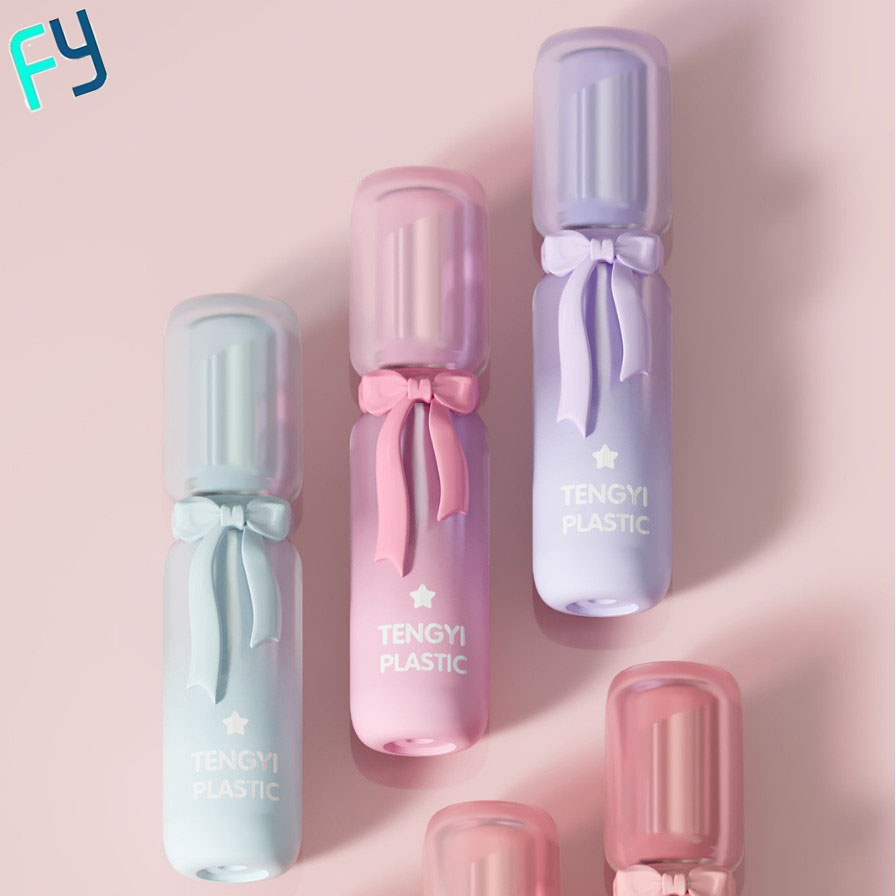
Cosmetic packaging is more than a container for a beauty product.
It can influence:
- Product protection
- Brand image
- Customer experience
- Production costs
- Product launch timelines
- Long-term supply stability
A reliable supplier should be able to provide consistent quality while supporting your packaging requirements as your brand grows.
For startups, private label brands, and established cosmetic companies, choosing the right manufacturer early can help reduce production risks.
1. Check the Manufacturer’s Product Range
The first factor to consider is the manufacturer’s product range.
A supplier with a broad cosmetic packaging portfolio can make it easier to source different products from one company.
Common cosmetic packaging products include:
- Lip gloss tubes
- Lipstick tubes
- Mascara tubes
- Eyeliner tubes
- Lip balm tubes
- Compact cases
- Air cushion cases
- Cosmetic jars
- Blush and powder cases
A broad product range can be particularly useful for brands planning to develop multiple cosmetic products.
Instead of working with several unrelated suppliers, brands may be able to consolidate packaging sourcing with one experienced manufacturer.
2. Evaluate Manufacturing Experience
Experience is another important factor when choosing a cosmetic packaging manufacturer.
An experienced manufacturer should understand:
- Packaging structures
- Materials
- Decoration processes
- Assembly
- Quality control
- Production requirements
For example, developing a lipstick tube involves more than producing the outer shell.
The manufacturer may need to coordinate:
- Tube components
- Mechanisms
- Caps
- Decoration
- Assembly
- Functional testing
Experience can help manufacturers identify potential production problems before mass production begins.
3. Check OEM and ODM Capabilities

If your brand needs customized packaging, check whether the manufacturer provides OEM or ODM services.
OEM Cosmetic Packaging
OEM allows brands to customize packaging according to their specifications.
Customization may include:
- Colors
- Logos
- Printing
- Surface finishes
- Components
- Packaging dimensions
OEM is suitable for brands that want to customize existing packaging designs.
ODM Cosmetic Packaging
ODM can involve more extensive development support.
Depending on the manufacturer, ODM services may include:
- Packaging concept development
- Structural design
- Custom molds
- Prototypes
- Product development
Brands that need unique packaging should ask about the supplier’s development capabilities before starting the project.
4. Review Material Options
A reliable supplier should be able to explain the material options available for different cosmetic packaging applications.
Common materials include:
- AS
- PETG
- PP
- ABS
- Aluminum
- PCR plastics
Material selection depends on:
- Product formula
- Packaging structure
- Transparency requirements
- Durability
- Appearance
- Cost
- Sustainability goals
For example, PETG may be considered when high transparency is important, while AS can provide a balance between appearance and cost.
Brands should work with suppliers that can explain the advantages and limitations of different materials instead of simply recommending the cheapest option.
5. Check the Minimum Order Quantity

MOQ, or Minimum Order Quantity, is an important consideration when choosing a cosmetic packaging supplier.
Different manufacturers may have different MOQ requirements depending on:
- Packaging type
- Material
- Customization
- Printing
- Production process
- Mold requirements
For startups and smaller beauty brands, a lower MOQ can make it easier to test a new product before committing to a large production volume.
However, brands should not evaluate a supplier based on MOQ alone.
A very low MOQ may not always provide the best unit cost or production efficiency.
The goal is to find a balance between:
MOQ + unit cost + quality + production capability.
6. Request Samples Before Mass Production
A reliable cosmetic packaging manufacturer should be able to provide samples before mass production.
Samples allow brands to evaluate the actual packaging rather than relying only on product photos or specifications.
Important things to check include:
- Packaging dimensions
- Color
- Transparency
- Surface finish
- Logo quality
- Component assembly
- Cap fit
- Closure performance
- Overall appearance
For customized packaging, the approved sample should become the reference for mass production.
This can help reduce differences between the approved design and the final products.
7. Evaluate Quality Control
Quality control is one of the most important factors when choosing a packaging supplier.
Ask the manufacturer how quality is inspected during production.
A typical cosmetic packaging quality control process may include checking:
Brands selling cosmetics in the United States should also consider applicable cosmetic regulations and product requirements. The U.S. Food & Drug Administration cosmetics resources provide useful information for brands reviewing regulatory considerations.
Appearance
Inspect for:
- Scratches
- Dust
- Surface defects
- Color differences
- Printing problems
Dimensions
Components should remain within the required specifications.
Assembly
Multiple packaging components should fit together correctly.
Function
Caps, mechanisms, wipers, applicators, and other functional components should operate properly.
Final Packaging
Finished products should be packed appropriately to reduce damage during transportation.
A manufacturer with a clear quality control process can help reduce defective products and production problems.
8. Check Production Capacity
Before placing a large order, ask about the manufacturer’s production capacity.
Important questions include:
- How many units can the factory produce?
- What is the typical production lead time?
- Can production scale with your business?
- Are multiple production lines available?
- How are peak-season orders managed?
This becomes particularly important when a cosmetic brand grows.
A supplier that can handle small orders may not necessarily have enough capacity for large-scale production.
Choosing a manufacturer that can support your future growth can help reduce the need to change suppliers later.
9. Confirm Production Lead Time
Lead time can have a major impact on product launches.
The overall timeline may include:
- Packaging selection
- Quotation
- Design confirmation
- Sampling
- Sample approval
- Production
- Quality inspection
- Packing
- Shipping
Existing packaging with simple customization can generally move through development faster than completely new packaging requiring custom molds.
Brands should confirm the estimated timeline before placing an order.
It is also useful to ask how the supplier handles unexpected production delays.
10. Evaluate Communication and Customer Service
Good communication is especially important for customized cosmetic packaging.
During development, brands may need to discuss:
- Technical specifications
- Artwork
- Samples
- Color matching
- Production schedules
- Quality issues
- Shipping
A reliable supplier should respond clearly and provide accurate information.
Good communication can prevent misunderstandings and make the entire packaging development process more efficient.
Cosmetic Packaging Supplier Comparison Checklist
Before choosing a manufacturer, brands can use the following checklist:
| Factor | Questions to Ask |
|---|---|
| Product Range | Does the supplier offer the packaging products I need? |
| Experience | How long has the manufacturer produced cosmetic packaging? |
| OEM/ODM | Can they provide customized packaging? |
| Materials | Do they offer suitable material options? |
| MOQ | Is the MOQ suitable for my order volume? |
| Samples | Can I evaluate samples before production? |
| Quality Control | What inspection procedures are used? |
| Capacity | Can the supplier support future growth? |
| Lead Time | Can they meet my product launch schedule? |
| Communication | Are specifications and updates communicated clearly? |
This checklist can help brands compare suppliers based on more than just price.
Red Flags When Choosing a Cosmetic Packaging Manufacturer
Brands should also watch for potential warning signs.
No Samples
Be cautious if a supplier refuses to provide samples before mass production.
Unclear Specifications
Packaging specifications should be clearly confirmed before production.
Extremely Low Prices
A very low quotation may sometimes indicate differences in:
- Material
- Decoration
- Quality control
- Packaging method
Always compare quotations based on the same specifications.
Poor Communication
Slow or unclear communication can create problems during customized packaging projects.
No Quality Control Information
A manufacturer should be able to explain how products are inspected during production.
How to Build a Long-Term Relationship With Your Packaging Manufacturer
Finding a supplier is only the first step.
A strong long-term relationship can help brands improve:
- Product consistency
- Production efficiency
- Communication
- New product development
- Cost management
Once a supplier understands your brand requirements, future packaging projects may become easier to manage.
For growing beauty brands, a reliable manufacturer can become an important part of the overall supply chain.
Why Choose Fengyi Plastic?
Fengyi Plastic provides cosmetic packaging solutions for beauty brands, private label companies, and cosmetic manufacturers.
Our product range includes:
- Lip gloss tubes
- Lipstick tubes
- Refillable lipstick tubes
- Mascara tubes
- Eyeliner tubes
- Lip balm tubes
- Compact cases
- Air cushion cases
- Cosmetic jars
- Blush and powder cases
We support:
- OEM cosmetic packaging
- ODM services
- Custom colors
- Logo printing
- Surface decoration
- Custom packaging solutions
- Wholesale production
Our team can support brands from packaging selection and sampling to mass production and delivery.
Conclusion
Finding a reliable cosmetic packaging manufacturer requires more than comparing prices.
Brands should evaluate:
- Product range
- Manufacturing experience
- OEM and ODM capabilities
- Material options
- MOQ
- Sample quality
- Quality control
- Production capacity
- Lead time
- Communication
The right supplier should be able to provide consistent quality while supporting your brand’s current requirements and future growth.
Whether you are launching a new beauty brand, developing private label products, or expanding an existing cosmetic line, choosing the right packaging manufacturer can make the product development process more efficient and reliable.
Frequently Asked Questions
How do I find a reliable cosmetic packaging manufacturer?
Compare the manufacturer’s product range, experience, materials, OEM/ODM capabilities, MOQ, samples, quality control, production capacity, lead time, and communication.
What should I ask a cosmetic packaging supplier before ordering?
Ask about MOQ, material specifications, customization options, samples, production lead time, quality control, packaging methods, and shipping.
Should I request samples before placing a large order?
Yes. Samples allow you to evaluate the actual packaging before committing to mass production.
What is a good MOQ for cosmetic packaging?
There is no universal MOQ. It depends on the packaging type, material, customization, production process, and supplier.
Can a cosmetic packaging manufacturer provide OEM services?
Yes. Many manufacturers offer OEM services such as custom colors, logo printing, decoration, components, and packaging specifications.
What is the difference between a cosmetic packaging manufacturer and a trading company?
A manufacturer operates or controls production, while a trading company may source products from different factories. Brands should confirm the supplier’s actual manufacturing capabilities before placing an order.
How important is quality control for cosmetic packaging?
Quality control is essential because packaging needs to maintain consistent appearance, dimensions, assembly, and functionality throughout mass production.
Looking for a reliable cosmetic packaging manufacturer?
Contact Fengyi Plastic to discuss your packaging requirements, request samples, explore OEM and ODM options, and develop customized cosmetic packaging for your beauty brand.