
Top 10 Steps of OEM Cosmetic Packaging: Complete Guide

OEM cosmetic packaging allows beauty brands to develop customized packaging without building their own manufacturing facilities.
From product selection and design to sampling, production, quality inspection, and delivery, the OEM process involves several important stages.
Choosing an experienced OEM cosmetic packaging manufacturer can help brands reduce development risks, control production costs, and create packaging that matches their brand identity.
This guide explains the complete OEM cosmetic packaging process and what beauty brands should know before starting a packaging project.
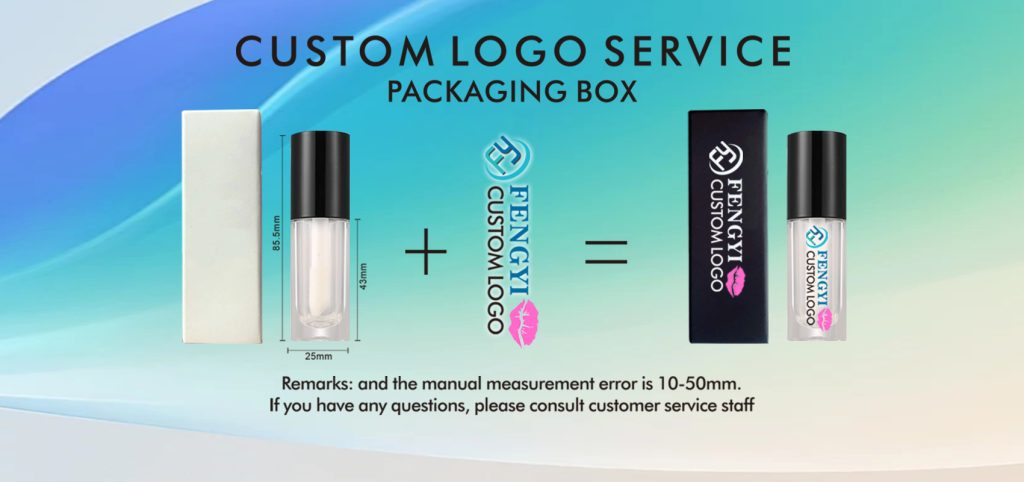
What Is OEM Cosmetic Packaging?
OEM cosmetic packaging means that a manufacturer produces cosmetic packaging according to a customer’s specifications and branding requirements.
Depending on the project, brands may customize:
- Packaging shape
- Material
- Size
- Capacity
- Color
- Logo
- Printing
- Surface finish
- Accessories
OEM packaging is suitable for startups, private label brands, established beauty companies, and businesses launching new cosmetic products.
Why Choose OEM Cosmetic Packaging?
Working with an OEM manufacturer provides several advantages.
Lower Development Costs
Brands can use existing packaging designs and production capabilities instead of developing every component from scratch.
This can reduce:
- Tooling costs
- Development time
- Production risks
Faster Product Development
Experienced manufacturers already have production equipment, molds, materials, and technical expertise.
This allows brands to move from packaging selection to sampling and production more efficiently.
Flexible Customization
OEM cosmetic packaging can be customized according to the brand’s requirements.
Common options include:
- Custom colors
- Logo printing
- Hot stamping
- Silk screen printing
- UV printing
- Electroplating
The OEM Cosmetic Packaging Process

The exact process varies depending on the product, but most projects follow several basic stages.
1. Product and Packaging Requirements
The first step is to define your packaging requirements.
Brands should provide information such as:
- Cosmetic product type
- Required capacity
- Packaging dimensions
- Target market
- Expected order quantity
- Desired materials
- Brand colors
- Decoration requirements
Clear requirements help the cosmetic packaging manufacturer recommend suitable products.
2. Select the Packaging Design
After understanding the requirements, the manufacturer can recommend suitable packaging options.
For example, a beauty brand may choose:
- Lip gloss tubes
- Lipstick tubes
- Mascara tubes
- Compact cases
- Cosmetic jars
- Lip balm tubes
The design should match the product formula, brand positioning, and target customers.
3. Material Selection
Material selection is an important part of OEM packaging development.
Common materials include:
- AS
- PETG
- ABS
- PP
- PCR
- Aluminum
The appropriate material depends on factors such as durability, transparency, appearance, product compatibility, and budget.
4. Packaging Customization
After selecting the packaging, brands can customize its appearance.
Customization may include:
- Logo
- Colors
- Printing
- Surface finish
- Cap design
- Decorative components
For premium cosmetic products, brands may choose hot stamping, electroplating, metallic finishes, or other decorative techniques.
5. Sample Development
After the packaging design and customization details are confirmed, the manufacturer can prepare samples.
Samples allow brands to evaluate:
- Packaging appearance
- Color accuracy
- Size and dimensions
- Logo placement
- Surface finish
- Assembly quality
- Overall user experience
Sample approval is an important step because it helps identify potential issues before mass production begins.
6. Sample Testing and Approval
The brand should carefully inspect the sample before approving mass production.
Important factors to check include:
Appearance
Make sure the color, shape, printing, and surface finish meet the approved design.
Function
Check that the cap, container, applicator, or other components work properly.
Compatibility
The packaging should be suitable for the intended cosmetic formula.
Branding
Check that the logo, artwork, and other printed elements are positioned correctly.
Once the sample meets the requirements, the brand can approve it for production.
7. Mold Development for Custom Cosmetic Packaging
If a brand requires a completely new packaging shape, a custom mold may be necessary.
Custom mold development can include:
- Structural design
- 3D modeling
- Mold manufacturing
- Trial production
- Sample modification
Custom molds provide greater design flexibility but generally require additional development time and investment.
For brands with limited initial budgets, using an existing packaging design with customized colors and decoration can be a more efficient option.
8. Mass Production
After the sample is approved, the manufacturer begins mass production.
A typical production process may include:
- Raw material preparation
- Injection molding
- Component production
- Surface finishing
- Logo printing
- Assembly
- Quality inspection
- Final packaging
An experienced OEM cosmetic packaging manufacturer should maintain consistent production standards throughout the entire process.
9. Quality Control
Quality control is one of the most important parts of OEM cosmetic packaging.
Manufacturers may inspect:
- Dimensions
- Color
- Surface quality
- Printing
- Assembly
- Closure performance
- Component compatibility
- Packaging condition
Quality inspections help reduce defective products and ensure that the finished packaging matches the approved sample.
10. Final Packaging and Delivery
After production and inspection are completed, the cosmetic packaging is prepared for shipment.
Depending on the order requirements, products may be packed using:
- Individual protective bags
- Trays
- Cartons
- Protective materials
- Export packaging
The manufacturer then coordinates delivery according to the agreed shipping terms.
OEM vs ODM Cosmetic Packaging
OEM and ODM are both common manufacturing models, but they serve different purposes.
OEM Cosmetic Packaging
With OEM, the customer generally selects an existing packaging design and requests customization.
For example, a brand may customize:
- Color
- Logo
- Printing
- Surface finish
- Packaging specifications
OEM is often suitable for brands that want to launch products efficiently.
ODM Cosmetic Packaging
ODM usually involves greater product and packaging development support.
The manufacturer may assist with:
- Product concepts
- Packaging structure
- Design development
- Mold development
- Prototyping
- Manufacturing
ODM is more suitable for brands looking for distinctive or exclusive packaging solutions.
How Long Does OEM Cosmetic Packaging Take?
The production timeline depends on the packaging type, customization requirements, order quantity, and whether a new mold is required.
Existing packaging designs with simple customization are generally faster to develop.
Custom packaging with new molds, special finishes, or complex structures may require additional development time.
For an accurate timeline, brands should discuss their project requirements with the manufacturer before placing an order.
Why Choose Fengyi Plastic?
Fengyi Plastic provides OEM and ODM cosmetic packaging solutions for beauty brands and cosmetic companies worldwide.
Our product range includes:
- Lip gloss tubes
- Lipstick tubes
- Mascara tubes
- Eyeliner tubes
- Air cushion cases
- Compact cases
- Cosmetic jars
- Lip balm tubes
We support brands with:
- OEM and ODM services
- Custom colors
- Logo printing
- Surface decoration
- Product customization
- Wholesale production
Our team works with customers throughout the packaging development process, from product selection and sampling to production and delivery.
Conclusion
OEM cosmetic packaging provides beauty brands with a flexible way to develop customized packaging without establishing their own manufacturing facilities.
The process typically includes packaging selection, customization, sample development, approval, production, quality control, and delivery.
By working with an experienced cosmetic packaging manufacturer, brands can reduce development risks, maintain consistent quality, and create packaging that reflects their brand identity.
Whether you need lipstick tubes, lip gloss tubes, compact cases, mascara tubes, or other cosmetic containers, choosing the right OEM supplier is an important step toward successful product development.
Frequently Asked Questions
What is OEM cosmetic packaging?
OEM cosmetic packaging is packaging manufactured according to a customer’s specifications, branding, and customization requirements.
What can be customized in OEM cosmetic packaging?
Brands can often customize colors, logos, printing, surface finishes, sizes, shapes, and other packaging components.
How does the OEM cosmetic packaging process work?
The process generally includes requirement confirmation, packaging selection, customization, sampling, sample approval, mass production, quality control, and delivery.
Do I need a custom mold for OEM packaging?
Not always. Existing packaging designs can often be customized without developing a new mold. A custom mold is usually required when a brand wants a completely new shape or structure.
What is the difference between OEM and ODM?
OEM generally focuses on customizing existing packaging, while ODM can include more extensive design and product development services.
Can small cosmetic brands use OEM packaging?
Yes. OEM packaging can be suitable for startups, private label brands, and established cosmetic companies, depending on the manufacturer’s minimum order quantity and production capabilities.
Looking for a reliable OEM cosmetic packaging manufacturer?
Contact Fengyi Plastic today to discuss your cosmetic packaging project, from product selection and customization to sampling, mass production, and delivery.