
Private Label Cosmetic Packaging: 7 Key Steps for Beauty Brands

Private label cosmetic packaging allows beauty brands to create branded products without building their own packaging manufacturing facilities.
From selecting containers and materials to adding logos, developing samples, and arranging mass production, packaging plays an important role in the private label product development process.
The right packaging can protect the cosmetic formula, strengthen brand recognition, and create a better customer experience.
For startups, independent beauty brands, and established cosmetic companies, understanding how private label cosmetic packaging works can make product development more efficient.
This guide explains the key steps involved in developing private label packaging and how to choose the right packaging supplier.
What Is Private Label Cosmetic Packaging?

Private label cosmetic packaging refers to packaging manufactured for a brand and presented under that brand’s own identity.
Instead of designing and manufacturing every packaging component independently, a brand can work with an experienced packaging supplier to select existing packaging and customize it.
Private label cosmetic brands should also make sure that their products and packaging meet the applicable cosmetic requirements in their target markets. For information about U.S. cosmetic requirements, brands can refer to the U.S. Food & Drug Administration cosmetics resources.
Customization may include:
- Brand logo
- Colors
- Printing
- Surface finishes
- Packaging specifications
- Custom components
Private label packaging is commonly used for:
- Lip gloss
- Lipstick
- Mascara
- Eyeliner
- Blush
- Foundation
- Skincare products
- Lip balm
Why Is Packaging Important for Private Label Brands?

Packaging is one of the first things customers see when they encounter a cosmetic product.
Well-designed packaging can help a private label brand:
Build Brand Recognition
Consistent colors, logos, shapes, and finishes can make products easier to recognize.
Improve Perceived Value
Premium packaging can create a stronger first impression and support higher product positioning.
Protect the Product
The packaging needs to protect the cosmetic formula during storage, transportation, and daily use.
Create a Better User Experience
Easy-to-use packaging can influence how customers perceive the product.
1. Define Your Private Label Packaging Requirements
The first step is to determine exactly what your product needs.
Before contacting a packaging supplier, prepare information such as:
- Product type
- Product capacity
- Packaging dimensions
- Target market
- Estimated order quantity
- Preferred material
- Brand colors
- Decoration requirements
- Target price
Clear requirements allow the supplier to recommend suitable packaging options.
For example, a lip gloss brand may need a clear tube with a custom logo, while a premium lipstick brand may require a magnetic or refillable lipstick tube.
2. Choose the Right Cosmetic Packaging Type
Different cosmetic products require different packaging structures.
Common private label packaging options include:
Lip Gloss Tubes
Suitable for liquid and gel lip products.
Options may include:
- Clear tubes
- Colored tubes
- Custom logo tubes
- Large-capacity tubes
Lipstick Tubes
Common options include:
- Standard lipstick tubes
- Luxury lipstick tubes
- Magnetic lipstick tubes
- Refillable lipstick tubes
Mascara Tubes
Mascara packaging generally includes the tube, cap, wiper, and applicator.
Compact Cases
Compact packaging can be used for:
- Blush
- Highlighter
- Pressed powder
- Eyeshadow
Cosmetic Jars
Cosmetic jars are commonly used for creams, balms, masks, and other skincare or color cosmetic products.
Choosing the right packaging structure is important for both product performance and brand positioning.
3. Select the Packaging Material
Material selection is another important part of private label packaging.
Common cosmetic packaging materia is include:
- AS
- PETG
- PP
- ABS
- PCR plastics
- Aluminum
The best material depends on:
- Product formula
- Packaging structure
- Required durability
- Appearance
- Brand positioning
- Production cost
For example, PETG may be suitable for brands looking for highly transparent packaging, while AS can provide a balance between appearance and cost efficiency.
For brands interested in environmental considerations, PCR or refillable packaging may also be worth exploring.
4. Customize the Packaging for Your Brand
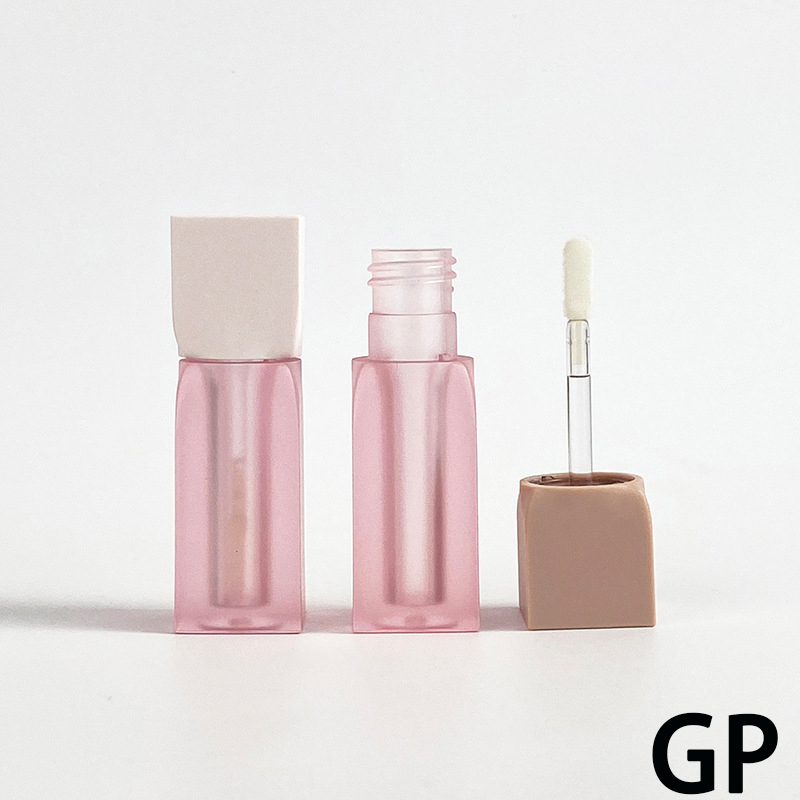
After selecting the right packaging type and material, the next step is to customize the packaging according to your brand identity.
Common customization options include:
- Logo printing
- Custom colors
- Silk screen printing
- Hot stamping
- UV printing
- Electroplating
- Frosted finishes
- Metallic finishes
- Custom components
For example, a luxury beauty brand may choose a metallic finish and hot-stamped logo, while a minimalist skincare brand may prefer simple colors and clean printing.
The goal is to make the packaging recognizable while maintaining a practical and consistent design.
5. Develop and Approve Packaging Samples
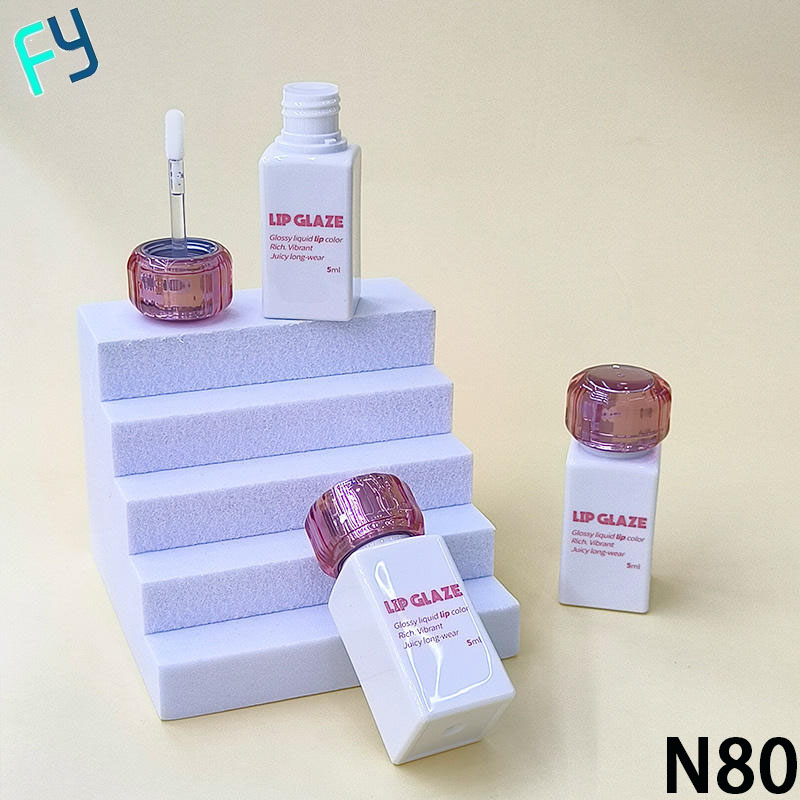
Before mass production, brands should request packaging samples.
Samples allow you to check whether the final packaging matches your expectations.
Important items to evaluate include:
Color
Check whether the packaging color matches your approved brand color.
Logo and Printing
Make sure the logo size, position, and printing quality are correct.
Dimensions
Check the actual dimensions and capacity of the packaging.
Assembly
Make sure all components fit together properly.
Function
Test caps, closures, applicators, pumps, and other moving components.
Sample approval is important because making changes after mass production has started can be much more difficult and expensive.
6. Confirm Production Requirements
After the sample is approved, the brand and supplier should confirm the production details.
Important information includes:
- Final packaging specifications
- Material
- Color
- Decoration
- Order quantity
- Packaging method
- Production schedule
- Shipping requirements
At this stage, it is important to make sure both sides are working from the same approved specifications.
A detailed production confirmation can help reduce misunderstandings during manufacturing.
7. Mass Production and Quality Control
After all specifications are confirmed, the supplier can begin mass production.
A typical production process may include:
- Raw material preparation
- Component manufacturing
- Injection molding
- Surface treatment
- Logo printing
- Component assembly
- Quality inspection
- Final packaging
Quality control should be performed throughout the production process.
Manufacturers may inspect:
- Appearance
- Color
- Dimensions
- Printing quality
- Surface defects
- Assembly
- Closure performance
- Packaging condition
Consistent quality control is especially important for brands preparing larger production runs.
Private Label Packaging vs OEM Packaging
Private label and OEM packaging are closely related, but the terms can describe slightly different approaches.
Private Label Packaging
Private label packaging generally involves using existing packaging designs and customizing them for a specific brand.
This can allow brands to launch products more quickly and reduce development costs.
Typical customization includes:
- Logo
- Color
- Printing
- Surface finish
OEM Cosmetic Packaging
OEM packaging can involve a broader range of customization based on the customer’s specifications.
Depending on the project, OEM services may include:
- Custom packaging structures
- Custom components
- Material selection
- Decoration
- Mold development
For brands that need more control over the packaging design, OEM manufacturing can provide greater flexibility.
How Much Does Private Label Cosmetic Packaging Cost?
The cost of private label packaging depends on several factors.
Packaging Type
Different packaging structures have different manufacturing costs.
Material
Material selection can affect the cost of each component.
Decoration
Custom printing, hot stamping, electroplating, and other finishes can increase production costs.
Order Quantity
Larger production quantities may provide better unit costs.
Custom Mold
A new mold can require additional development and tooling costs.
Packaging Components
Complex packaging with multiple components may cost more than a simple container.
Because of these variables, it is better to request a quotation based on your specific packaging requirements rather than relying on a general price.
What Is MOQ for Private Label Cosmetic Packaging?
MOQ means Minimum Order Quantity.
Different packaging suppliers have different MOQ requirements.
The MOQ may depend on:
- Product type
- Material
- Customization
- Printing
- Mold requirements
- Production capacity
Before starting a project, brands should confirm the MOQ with the supplier.
For startups, choosing an existing packaging design with simple customization may provide a more accessible starting point than developing a completely new package.
How to Choose a Private Label Cosmetic Packaging Supplier
Choosing the right supplier is one of the most important decisions in the packaging development process.
Consider the following factors.
Product Range
A supplier with a broad product range can help brands source different packaging products from one manufacturer.
Customization Capability
Check whether the supplier can provide:
- Custom colors
- Logo printing
- Surface finishes
- Custom components
- Mold development
Manufacturing Experience
An experienced manufacturer can help identify practical solutions based on your product requirements.
Quality Control
Ask about quality inspection procedures and how the supplier maintains consistency between samples and mass production.
Production Capacity
Make sure the supplier can support your current order and potential future growth.
Communication
Clear communication is important when discussing:
- Specifications
- Samples
- Production schedules
- Quality requirements
- Shipping
Why Choose Fengyi Plastic?
Fengyi Plastic provides cosmetic packaging solutions for beauty brands and private label cosmetic companies.
Our product range includes:
- Lip gloss tubes
- Lipstick tubes
- Refillable lipstick tubes
- Mascara tubes
- Eyeliner tubes
- Compact cases
- Air cushion cases
- Cosmetic jars
- Lip balm tubes
We provide:
- OEM services
- ODM services
- Custom colors
- Logo printing
- Surface decoration
- Packaging customization
- Wholesale manufacturing
Our team can support brands from packaging selection and sample development through mass production and delivery.
Conclusion
Private label cosmetic packaging gives beauty brands an efficient way to create branded products without developing every packaging component from scratch.
The process generally involves:
- Defining packaging requirements
- Selecting the packaging type
- Choosing the material
- Customizing the design
- Approving samples
- Confirming production
- Managing mass production and quality control
The right packaging should balance appearance, functionality, product compatibility, brand identity, and cost.
Working with an experienced cosmetic packaging manufacturer can make the development process more efficient and help brands build consistent packaging across their product range.
Frequently Asked Questions
What is private label cosmetic packaging?
Private label cosmetic packaging is packaging produced for a specific beauty brand and customized with its branding, colors, printing, or other specifications.
Can private label packaging be customized?
Yes. Depending on the supplier, brands can customize colors, logos, printing, finishes, components, and sometimes the packaging structure.
What cosmetic products can use private label packaging?
Private label packaging can be used for lip gloss, lipstick, mascara, eyeliner, blush, eyeshadow, skincare products, lip balm, and many other cosmetic products.
What is the difference between private label and OEM packaging?
Private label commonly uses existing packaging designs with brand customization, while OEM projects can offer a broader range of customization based on customer requirements.
What should I consider when choosing a packaging supplier?
Consider the supplier’s product range, customization capabilities, manufacturing experience, quality control, MOQ, production capacity, and communication.
Can startups use private label cosmetic packaging?
Yes. Startups can often begin with existing packaging designs and simple customization before moving to more complex custom packaging as their business grows.
Looking for private label cosmetic packaging for your beauty brand?
Contact Fengyi Plastic to explore cosmetic packaging options, custom designs, OEM and ODM services, and wholesale manufacturing solutions for your next product launch.